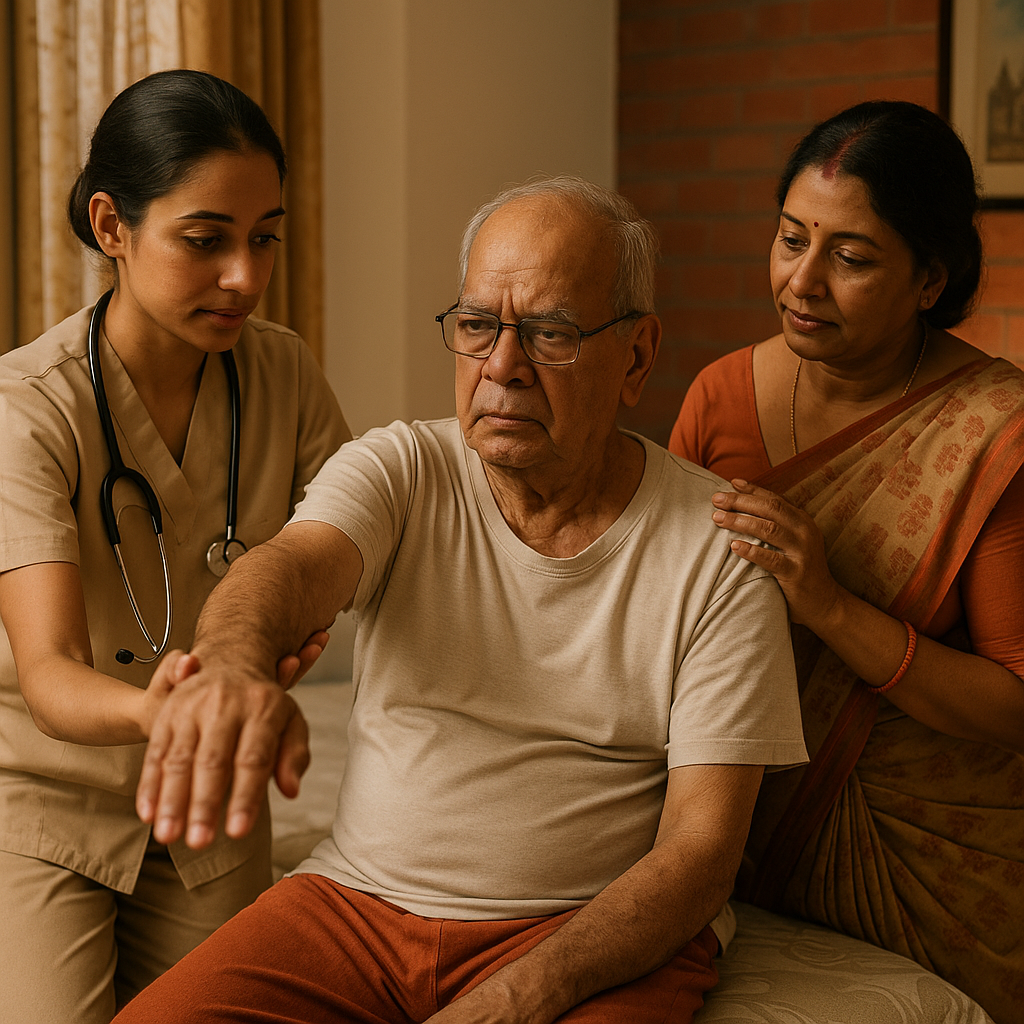
Understanding the Stroke Recovery Timeline for the Elderly
Navigating the stroke recovery process for elderly parents can be daunting. This guide offers insights into the typical recovery timeline and tips for supporting your loved ones during this critical journey.
Medical content trust signals
Author: AI Assistant · Reviewed by
Reviewed: 14 October 2026
Introduction
Experiencing a stroke can be a life-altering event, especially for the elderly. Understanding the stroke recovery timeline is crucial for families seeking to provide the best care possible for their loved ones. At Bhalobasa Bridhabas, we emphasize the importance of a structured recovery plan that not only addresses medical needs but also emotional and social support.
What is a Stroke?
A stroke occurs when blood flow to a part of the brain is interrupted, leading to brain damage. There are two main types of strokes: ischemic (caused by a blockage) and hemorrhagic (caused by bleeding). The effects of a stroke can vary widely, depending on the area of the brain affected and the extent of the damage.
Immediate Aftermath of a Stroke
In the initial moments following a stroke, prompt medical attention is critical. Emergency services should be contacted immediately, as timely treatment can significantly affect recovery outcomes. After stabilization, the recovery process begins, which can be broken down into several phases:
1. Acute Phase (0-3 Days Post-Stroke)
- Hospitalization: Most patients will be hospitalized for observation and treatment.
- Initial Assessment: Doctors will assess the extent of the stroke and begin immediate care.
- Start of Rehabilitation: Depending on the patient's condition, early rehabilitation efforts may begin.
2. Rehabilitation Phase (Days 3-6 Weeks)
- Inpatient Rehabilitation: Many patients will be transferred to a rehabilitation facility where they can receive specialized care.
- Physical Therapy: Exercises aimed at improving mobility and strength are initiated.
- Occupational Therapy: Focus on regaining the ability to perform daily activities.
- Speech Therapy: Assists those who have difficulty with communication or swallowing.
3. Home Recovery Phase (6 Weeks - 6 Months)
Once discharged from rehabilitation, the patient will continue their recovery at home. This phase can vary significantly between individuals:
- Continued Therapy: Regular sessions with physical, occupational, and speech therapists are essential.
- Monitoring Progress: Caregivers should monitor improvements and setbacks, keeping in close contact with healthcare providers.
- Emotional Support: Emotional well-being is critical; consider counseling or support groups.
4. Long-Term Recovery (6 Months - 1 Year)
Recovery can continue for months or even years. While some patients may regain full independence, others may require ongoing assistance:
- Adjusting to Changes: Families may need to adapt to new roles and responsibilities.
- Continued Care: Some patients may require assistance with daily activities, making facilities like Bhalobasa Bridhabas a supportive option.
- Regular Check-ups: Ongoing medical evaluations are necessary to monitor health and prevent future strokes.
Factors Influencing Recovery
Several factors can influence the stroke recovery timeline for the elderly, including:
- Age: Older individuals may face more challenges during recovery.
- Severity of the Stroke: The extent of brain damage directly affects recovery potential.
- Pre-existing Conditions: Conditions like diabetes or heart disease can complicate recovery.
- Support System: A strong support network can facilitate a smoother recovery process.
How Bhalobasa Bridhabas Can Help
At Bhalobasa Bridhabas, we understand that stroke recovery is a complex journey requiring patience and support. Our facility offers:
- 24/7 Nursing Care: Our trained staff is available round the clock to assist with medical and personal needs.
- Dementia and Palliative Care: Specialized programs tailored to meet the unique needs of elderly patients.
- Rehabilitation Support: Our rehabilitation services are designed to aid recovery and improve quality of life.
Conclusion
Understanding the stroke recovery timeline for elderly individuals is essential for families navigating this challenging time. With the right support and resources, recovery is possible. Bhalobasa Bridhabas is here to offer compassionate care and expertise, ensuring that your loved ones receive the best possible support throughout their recovery journey.
Related Care Services
Need Professional Elderly Care?
Our experienced team at Bhalo-Basa Bridhabas provides comprehensive elderly care services with compassion and expertise. Contact us to learn more.
Related Articles
Building an Emergency Care Plan for Parents in India (NRI Checklist)
As our parents age, ensuring their safety and well-being becomes a top priority, especially for those of us living far away. For Non-Resident Indians (NRIs), the distance can add…
How to Talk to Ageing Parents About End-of-Life Care
Discussing end-of-life care with ageing parents is a delicate and challenging task. As adult children, especially those living far from Kolkata, you may feel overwhelmed about…
Choosing an Old Age Home in Dumdum: What to Look For
Choosing the right old age home for your parents is one of the most significant decisions you might face as they age. Located in the vibrant and culturally rich area of Dumdum,…